

There is something truly magical about making your own pizza from scratch, and the Sourdough Pizza Dough Recipe is a fantastic way to bring that magic right into your kitchen. This recipe combines the natural tangy flavor of sourdough starter with simple, wholesome ingredients to create a dough that’s perfectly chewy, crisp, and packed with depth. Whether you’re a seasoned bread baker or just dipping your toes into sourdough, this dough transforms homemade pizza night into a celebration of flavor and texture you’ll want to enjoy again and again.
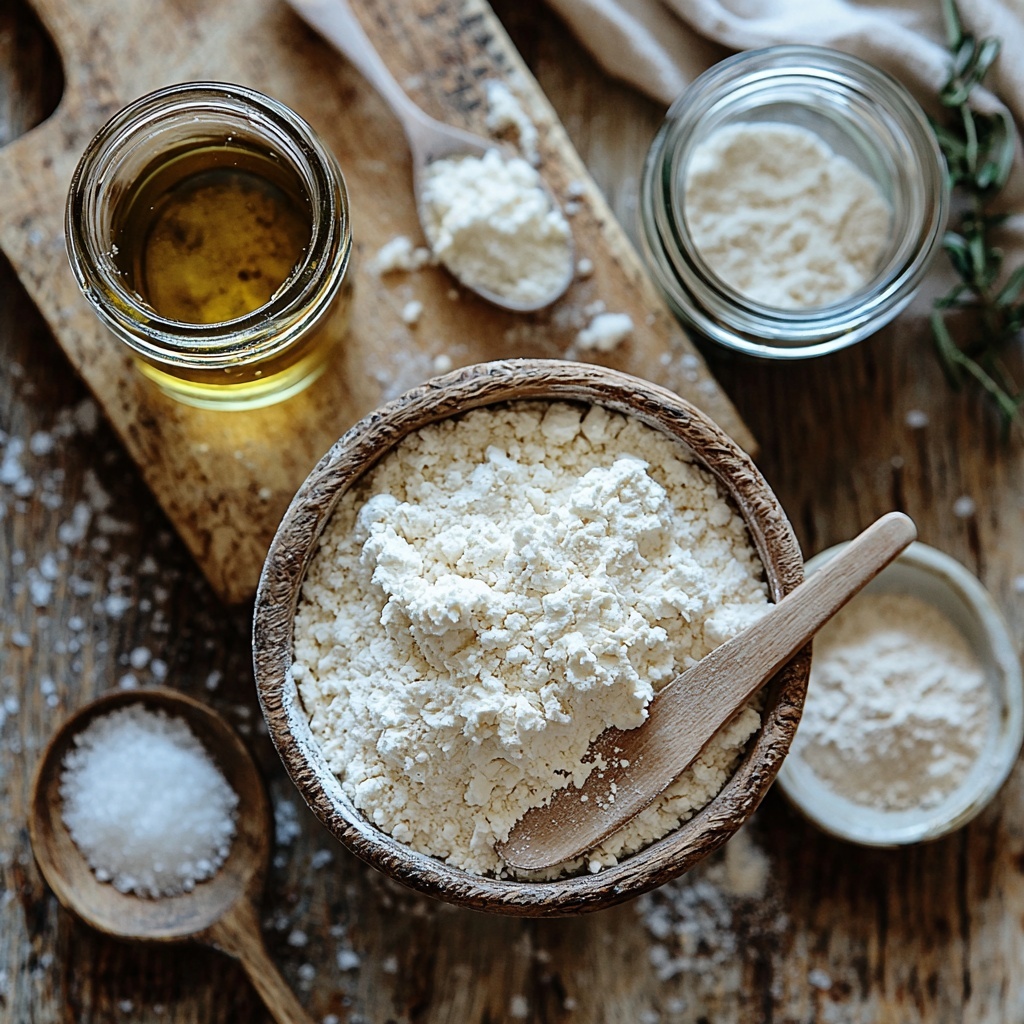
Ingredients You’ll Need
The beauty of this Sourdough Pizza Dough Recipe lies in its simplicity. Each ingredient plays an essential role, coming together to build a dough that’s flavorful and easy to work with. From the flour providing structure to the olive oil adding a subtle richness, every component has its part to play.
- 3 cups all-purpose flour: The foundation for the dough, provides the perfect gluten structure for chewiness and stretch.
- 1 cup active sourdough starter: Adds natural fermentation and a delicious tangy flavor to the dough.
- 1 cup lukewarm water: Hydrates the flour and activates the starter for a smooth, workable dough.
- 2 tsp salt: Enhances flavor and tightens the gluten for better texture.
- 2 tbsp olive oil: Brings moisture and helps achieve that golden, crispy crust.
How to Make Sourdough Pizza Dough Recipe
Step 1: Mix Your Dry Ingredients
Start by gathering all your ingredients so everything is ready to go. In a large bowl, whisk together the all-purpose flour and salt. This ensures the salt is evenly distributed and sets the stage for a balanced dough.
Step 2: Combine Wet Ingredients
Next, add your active sourdough starter and lukewarm water to the dry mix. Using a spoon or your hand, stir everything together until the ingredients come together into a shaggy mass. This is where the magic of fermentation begins, so don’t worry if the mixture looks rustic at this stage.
Step 3: Knead to Perfection
Transfer the dough onto a floured surface and knead vigorously for about 10 minutes. You want the dough to become smooth and elastic, which means the gluten has developed nicely—this is key for that chew and stretch in your crust.
Step 4: Let the Dough Rise
Place the kneaded dough into a greased bowl to prevent sticking, then cover it with a damp cloth. Allow it to rise for 4 to 6 hours at room temperature until it has doubled in size. This slow rise enhances the flavor profile and creates the airy texture that makes sourdough so special.
Step 5: Shape Your Dough
Once your dough has risen beautifully, gently punch it down to release excess gases. Divide it into two equal portions if you want two large pizzas. Now, shape each portion into a ball or your desired pizza base shape—a hands-on step that’s incredibly satisfying and fun.
Step 6: Prepare to Bake
While you prepare your toppings, preheat your oven to a high 475°F (245°C). Using baking sheets or a pizza stone, get ready to slide your creation into the oven. The high heat is crucial to develop a crisp, slightly charred crust with a tender crumb inside—just like pizzeria-quality pies.
How to Serve Sourdough Pizza Dough Recipe
Garnishes
When it comes to garnishing your sourdough pizza, the sky is the limit! Fresh basil leaves, a drizzle of extra virgin olive oil, or a sprinkle of flaky sea salt just after baking can elevate flavors beautifully. You can also add crushed red pepper flakes or a few dollops of ricotta for texture contrasts that keep each bite exciting.
Side Dishes
Pairing your pizza with simple side dishes complements the meal perfectly. A fresh arugula salad tossed with lemon vinaigrette or a side of roasted vegetables enhances the rustic charm of your sourdough crust. Even a bowl of garlic-infused olive oil for dipping provides a cozy, flavorful touch.
Creative Ways to Present
For a fun twist, serve your sourdough pizza as a shareable flatbread cut into strips or bite-size pieces, perfect for casual gatherings. You could also create mini pizzas using the dough for appetizers or serve alongside a flight of craft beers or wines that highlight the sourdough’s complex flavor.
Make Ahead and Storage
Storing Leftovers
If you have leftover pizza dough, wrap it tightly in plastic wrap or place it in an airtight container and refrigerate. It will keep well for up to 2 days, allowing you to bake fresh mini pizzas or flatbreads whenever the craving hits.
Freezing
To freeze your sourdough pizza dough, portion it into balls, wrap each piece individually, and freeze in a sealed bag. When ready to use, thaw overnight in the refrigerator and let come to room temperature before shaping. This method preserves the dough’s flavor and texture beautifully.
Reheating
Reheat cooked sourdough pizza in a hot skillet or oven to bring back that crispness in the crust. A quick 5-7 minute bake at 400°F helps revive the texture without drying out the toppings, making each slice taste freshly made.
FAQs
What makes sourdough pizza dough different from regular pizza dough?
Sourdough pizza dough uses a natural starter instead of commercial yeast, which slows fermentation and gives the dough a distinctive tangy flavor and better digestibility. The slow rise also develops a more complex taste and chewy texture that’s hard to beat.
Can I use whole wheat flour instead of all-purpose flour?
Yes, you can substitute whole wheat flour for all or part of the flour in the recipe, but the dough may be denser and require a bit more water. Whole wheat adds a nutty flavor and extra nutrition to your sourdough pizza.
How long does the dough need to rise?
The dough needs 4 to 6 hours at room temperature to double in size. This slow, natural fermentation is key for that classic sourdough tang and airy crust. You can also do a longer cold ferment in the fridge overnight for even more flavor development.
Do I need a pizza stone to bake sourdough pizza?
While a pizza stone helps create a crispier crust by evenly distributing heat, you can also use a baking sheet. Make sure to preheat your oven well, and if using a sheet, consider lining it with parchment paper to avoid sticking.
How do I know when the dough is kneaded enough?
The dough is ready when it feels smooth, elastic, and springs back slowly when poked. If it tears easily, keep kneading a little longer—it usually takes about 10 minutes by hand.
Final Thoughts
There’s something truly heartwarming about pulling a golden, crispy, sourdough pizza out of your own oven. This Sourdough Pizza Dough Recipe opens the door to endless creativity and deliciousness, and once you try it, you’ll find homemade pizza night becoming a new favorite tradition. So grab your starter, get kneading, and treat yourself to the joy of incredible, homemade pizza that’s bursting with flavor and love.
Print
Sourdough Pizza Dough Recipe
- Prep Time: 15 minutes
- Cook Time: 10 minutes
- Total Time: 4 hours 25 minutes to 6 hours 25 minutes (including rise time)
- Yield: 4 servings (enough dough for two large pizzas)
- Category: Baking
- Method: Baking
- Cuisine: Italian
- Diet: Vegetarian
Description
This Sourdough Pizza Dough recipe yields a flavorful and chewy crust with a delightful tang from the natural fermentation of the sourdough starter. Perfect for homemade pizzas, it requires simple ingredients and basic preparation, allowing the dough to rise slowly for enhanced texture and taste. Ideal for those who enjoy artisan-style pizza crusts made from scratch.
Ingredients
Dry Ingredients
- 3 cups all-purpose flour
- 2 tsp salt
Wet Ingredients
- 1 cup active sourdough starter
- 1 cup lukewarm water
- 2 tbsp olive oil
Instructions
- Prepare the dry mix: Gather all ingredients. In a large bowl, mix the flour and salt thoroughly to distribute the salt evenly throughout the flour.
- Add wet ingredients: Add the active sourdough starter and lukewarm water to the flour mixture. Stir gently until all ingredients are just combined into a shaggy dough.
- Knead the dough: Transfer the dough onto a floured surface and knead for about 10 minutes. Continue kneading until the dough is smooth and elastic, which develops the gluten for structure.
- First rise: Lightly grease a large bowl and place the kneaded dough inside. Cover it with a damp cloth to retain moisture, and let it rise undisturbed for 4 to 6 hours, until it doubles in size due to fermentation.
- Divide and shape: After the dough has risen, punch it down gently to release excess gas. Divide it into two equal portions and shape each into your preferred pizza base shape, ready for topping.
- Preheat oven: While preparing the toppings and shaping the dough on baking sheets or pizza stones, preheat your oven to 475°F (245°C) to ensure a hot baking environment that crisps and browns the crust perfectly.
Notes
- Make sure your sourdough starter is active and bubbly for best fermentation results.
- Use lukewarm water to help activate the yeast in the sourdough starter without killing it.
- Kneading time is crucial for gluten development—do not rush this process.
- The long rise time develops flavor and texture; avoid shortening it.
- You can freeze unused dough portions before baking for up to 1 month.
- Baking stones help achieve a crisper crust but baking sheets also work well.