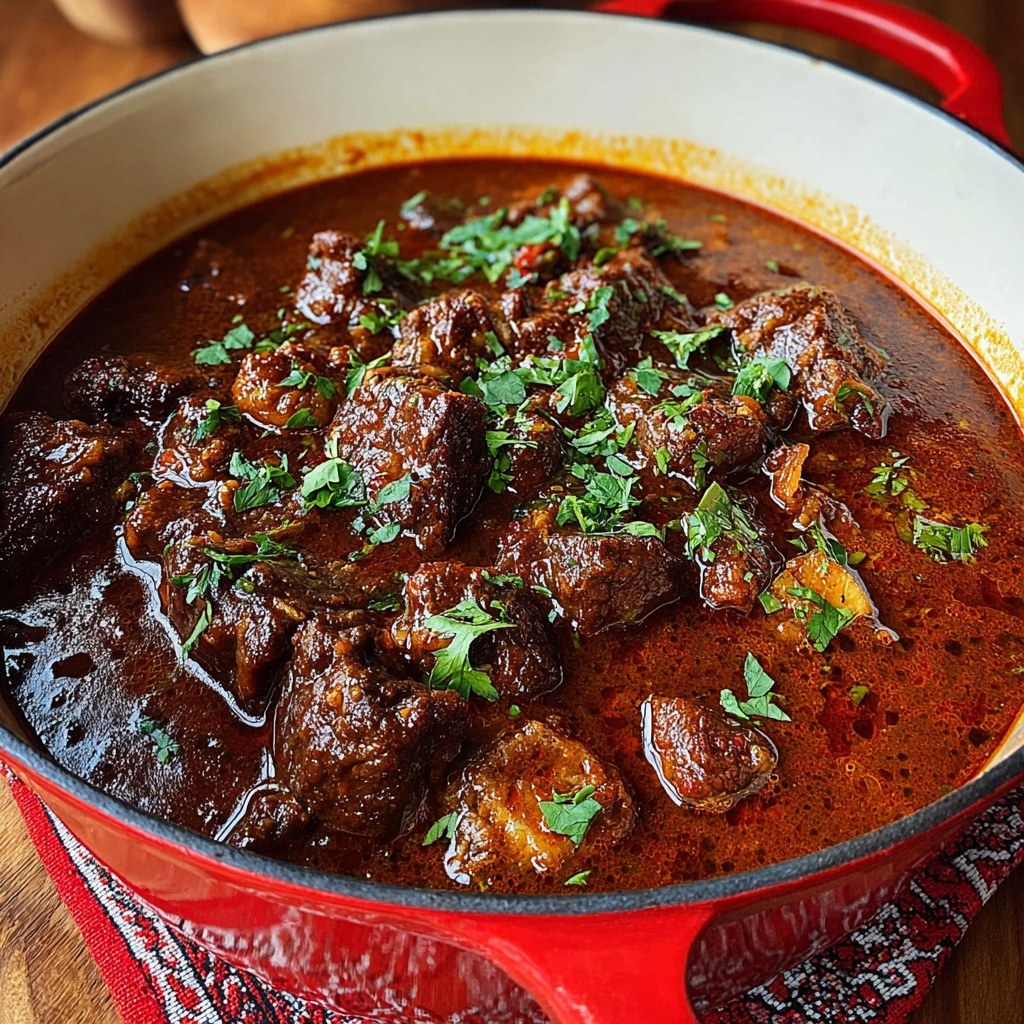
If you have ever craved a hearty, comforting stew that warms you from the inside out, then the Authentic German Goulash (Rindergulasch) Recipe is exactly what your kitchen needs. This timeless dish features tender chunks of stewing beef slow-cooked in a rich blend of paprika, red wine, and savory broth, creating a luscious sauce that clings perfectly to each mouthwatering bite. Rooted deeply in German culinary tradition, this goulash is a celebration of simple ingredients transformed through patience and love into a meal that feels like a warm embrace on a chilly evening.
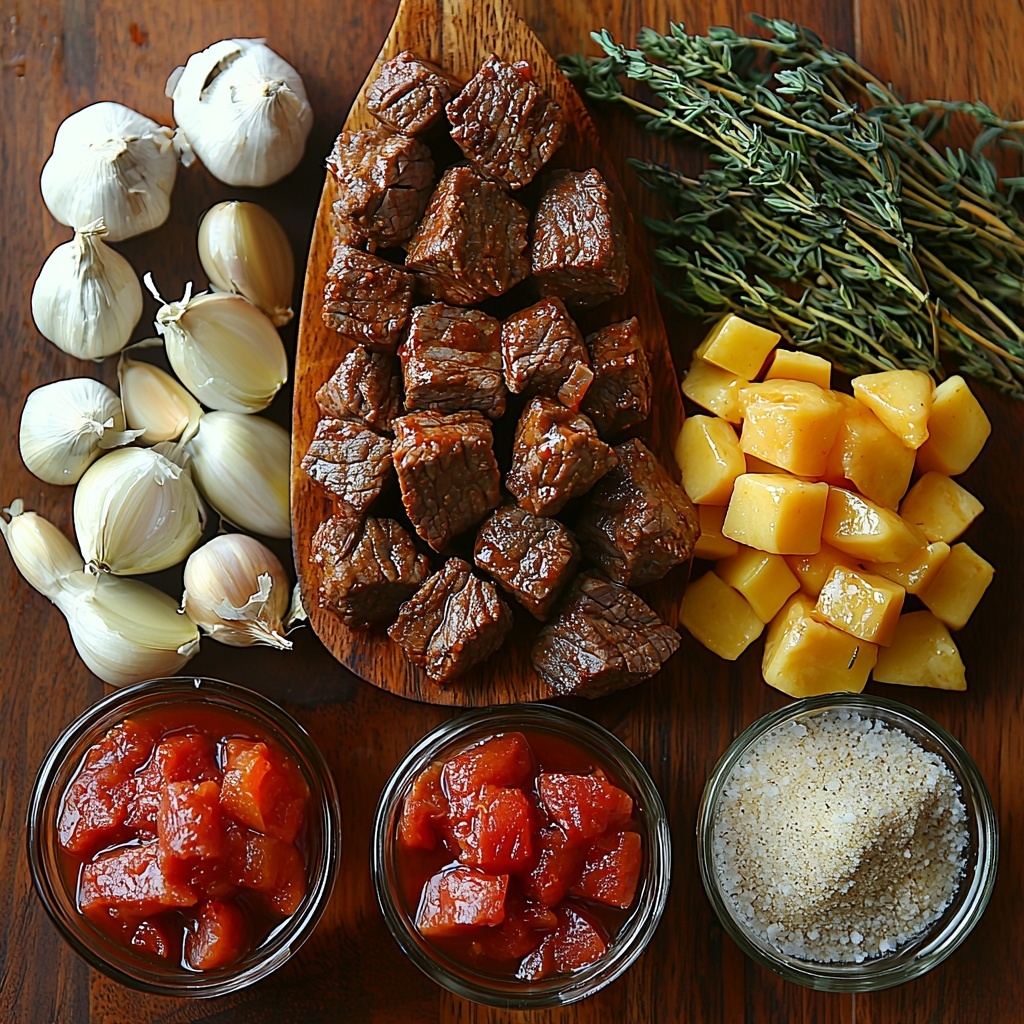
Ingredients You’ll Need
Every ingredient in the Authentic German Goulash (Rindergulasch) Recipe plays a crucial role, coming together to build layers of flavor, texture, and color. Though straightforward, these essentials ensure the stew retains its classic taste and satisfying richness.
- 1 1/2 pounds stewing beef: Cut into 1/2 to 1 inch chunks, this is the hearty foundation of the stew, becoming beautifully tender as it simmers.
- 1 tablespoon oil: For browning the meat and bringing out its deepest flavors with a crispy exterior.
- 1 large yellow onion (about 400 g): Diced and caramelized to add a subtle sweetness and depth to the dish.
- 2 cloves garlic: Minced finely to infuse the stew with its characteristic aromatic punch.
- 1 cup dry red wine: Such as cabernet sauvignon or pinot noir, it contributes complexity while tenderizing the meat.
- 3 tablespoons tomato paste: Heightens the richness and adds a slight tang that balances the paprika’s warmth.
- 3 tablespoons Hungarian paprika: The star spice delivering vibrant color and smoky flavor essential for authenticity.
- 1/2 teaspoon dried marjoram: A delicate herb that complements the paprika with its subtle minty notes.
- 1 teaspoon salt: Enhances all the flavors without overpowering them.
- 1/2 teaspoon freshly ground black pepper: Adds just the right amount of mild heat and spice.
- 2 cups beef broth: Creates the comforting base of the stew, imparting savory depth.
- 1 bay leaf: Slowly releases its earthy fragrance during simmering.
- 2 teaspoons cornstarch dissolved in 2 tablespoons water: For thickening the sauce to silky perfection.
How to Make Authentic German Goulash (Rindergulasch) Recipe
Step 1: Browning the Beef and Onions
Begin by heating the oil in a deep heavy skillet or Dutch oven until shimmering. Add the beef chunks and brown them evenly on all sides. This caramelization is essential as it locks in juices and develops the rich meaty flavor that forms the base of your goulash. Once browned, transfer the meat to a plate. Next, toss in the diced yellow onions and cook them gently until they turn golden and fragrant, about 6 to 8 minutes. This slow browning coax out their natural sweetness, which balances the paprika’s robust personality beautifully.
Step 2: Infusing with Garlic and Red Wine
Add the minced garlic to the onions, stirring continuously for about a minute until aromatic but not burnt—this brief cooking enhances its mellow pungency. Then pour in the dry red wine, bringing it to a boil. Let the wine simmer down, reducing by half over 3 to 4 minutes. This reduction intensifies the flavor and helps meld the acidic notes with the sweetness from the onions and tomato paste that will follow.
Step 3: Building Layers of Flavor
Stir in the tomato paste, Hungarian paprika, dried marjoram, salt, and pepper. These spices and seasoning create the signature flavor profile of the goulash, building a thick, vibrant sauce. Return the browned beef to the skillet, nestling it into the sauce. Pour in the beef broth, add the bay leaf, and bring everything back to a gentle boil.
Step 4: Slow Simmering to Tender Perfection
Reduce the heat to low, cover the pot, and let your goulash simmer slowly for about an hour. This slow cooking softens the sturdy chunks of beef until they are fork-tender and the flavors marry beautifully. This step is the soul of the Authentic German Goulash (Rindergulasch) Recipe, transforming simple components into a decadent, comforting stew.
Step 5: Finishing the Sauce
Once the beef is tender, stir in the cornstarch mixture gradually while constantly stirring to avoid lumps. Allow the sauce to simmer for another minute or two until it thickens to a luscious consistency. Taste and adjust salt and pepper as needed. Now your goulash is ready to serve!
How to Serve Authentic German Goulash (Rindergulasch) Recipe
Garnishes
Sprinkle fresh chopped parsley or a few sprigs of thyme over the top for a touch of vibrant green that lifts the dish visually and adds a subtle herbal note. A dollop of sour cream on the side can also add creaminess and a slight tang that balances the stew’s rich, smoky flavors.
Side Dishes
This goulash shines best when paired with classic German contenders like Spätzle, German potato dumplings, or boiled potatoes that soak up the glorious sauce. For a more rustic feel, serve with hearty German bread dumplings or simple egg noodles to round out the meal.
Creative Ways to Present
For a stunning presentation, serve your goulash in rustic bowls with a swirl of sour cream and a sprinkle of paprika on top. You could also offer a variety of bread sides in a basket, encouraging your guests to dip and enjoy the sauce. For a modern twist, try layering the goulash over creamy polenta or mashed root vegetables instead of the traditional sides.
Make Ahead and Storage
Storing Leftovers
Leftover goulash tastes even better the next day after the flavors have mingled further. Store it in an airtight container in the refrigerator for up to 3 days. Be sure to cool it before refrigerating to maintain freshness and texture.
Freezing
This dish freezes brilliantly. Portion the cooled goulash into freezer-safe containers or bags, leaving a little room for expansion, and freeze for up to 3 months. Labeling your containers with the date helps you keep track of freshness.
Reheating
Reheat gently on the stove over low heat, stirring occasionally to prevent sticking. You may want to add a splash of broth or water if the sauce thickened too much in the fridge. Microwave reheating works too but do so in short bursts, stirring in between for even warmth.
FAQs
Can I use a different cut of beef for this goulash?
While stewing beef is ideal due to its tenderness after slow cooking, other cuts like chuck roast or brisket also work well. Just ensure the meat is cut into uniform chunks for even cooking.
Is Hungarian paprika spicy?
Hungarian sweet paprika used in this recipe is more smoky and sweet than spicy. If you prefer some heat, you can substitute part of it with hot paprika or add a pinch of cayenne pepper.
Can I make this dish without wine?
Yes, if you prefer not to use wine, substitute with extra beef broth and a splash of vinegar or lemon juice to maintain acidity and depth of flavor.
What is the best way to thicken the goulash sauce?
Using cornstarch dissolved in water, as in this recipe, is a quick and effective way to thicken the sauce without altering its flavor. Alternatively, you could simmer it uncovered to reduce but beware of over-thickening.
Can this recipe be adapted for a slow cooker?
Absolutely. Brown the meat and vegetables on the stove first, then transfer everything to the slow cooker. Cook on low for 6 to 8 hours or high for 3 to 4 hours until the beef is tender.
Final Thoughts
There is something undeniably satisfying about a warm bowl of Authentic German Goulash (Rindergulasch) Recipe bubbling away on the stove. This dish embodies comfort, tradition, and the joy of sharing a lovingly prepared meal. I can’t wait for you to try it out and experience the rich, hearty flavors firsthand—once you do, it might just earn a permanent spot on your family’s dinner rotation.
Print
Authentic German Goulash (Rindergulasch) Recipe
- Prep Time: 10 minutes
- Cook Time: 60 minutes
- Total Time: 70 minutes
- Yield: 4 servings
- Category: Main Course
- Method: Stovetop
- Cuisine: German
Description
This Authentic German Goulash (Rindergulasch) is a hearty, comforting stew featuring tender stewing beef simmered in a rich sauce of red wine, paprika, and tomato paste. Perfectly spiced with marjoram and bay leaf, this traditional Central European dish is ideal for serving over Spätzle, German dumplings, or egg noodles.
Ingredients
Meat and Oil
- 1 1/2 pounds stewing beef, cut into 1/2 to 1 inch chunks
- 1 tablespoon oil
Vegetables and Aromatics
- 1 large yellow onion (about 400 g), diced
- 2 cloves garlic, minced
Liquids and Seasonings
- 1 cup dry red wine (e.g., cabernet sauvignon, pinot noir)
- 3 tablespoons tomato paste
- 3 tablespoons Hungarian paprika
- 1/2 teaspoon dried marjoram
- 1 teaspoon salt
- 1/2 teaspoon freshly ground black pepper
- 2 cups beef broth
- 1 bay leaf
- 2 teaspoons cornstarch dissolved in 2 tablespoons water (or more depending on desired thickness)
Instructions
- Brown the Beef: Heat the oil in a deep heavy skillet or Dutch oven over medium-high heat. Add the beef chunks and brown on all sides to develop a deep flavor. Once browned, transfer the beef to a plate and set aside.
- Cook Onions and Garlic: In the same skillet, add the diced onions and cook until they become lightly browned and soft, approximately 6-8 minutes. Stir frequently to prevent burning. Add the minced garlic and cook for an additional minute to release its aroma.
- Deglaze with Red Wine: Pour in the dry red wine and bring to a boil. Reduce the heat and let it simmer steadily until the wine has reduced by about half, roughly 3-4 minutes. This concentrates the flavors and enhances the sauce.
- Add Seasonings and Tomato Paste: Stir in the Hungarian paprika, dried marjoram, tomato paste, salt, pepper, and the bay leaf. Mix well to combine all ingredients evenly.
- Simmer Beef: Return the browned beef to the skillet. Pour in the beef broth and bring the mixture to a boil. Reduce the heat to low, cover the skillet, and let it simmer gently for about 60 minutes or until the beef is very tender.
- Thicken the Sauce: Stir the cornstarch mixture into the simmering stew gradually, stirring constantly to prevent lumps. Continue simmering for another 1-2 minutes until the sauce thickens to your desired consistency. Adjust seasoning with additional salt and pepper as needed.
- Serve: Remove the bay leaf and serve the goulash hot over Spätzle, German Potato Dumplings, German Bread Dumplings, boiled potatoes, or egg noodles according to preference.
Notes
- For best flavor, use quality dry red wine such as cabernet sauvignon or pinot noir.
- Adjust the amount of cornstarch slurry to achieve your preferred sauce thickness.
- Goulash tastes even better the next day as flavors meld together.
- Serving options include traditional German sides like Spätzle or potato dumplings for an authentic experience.