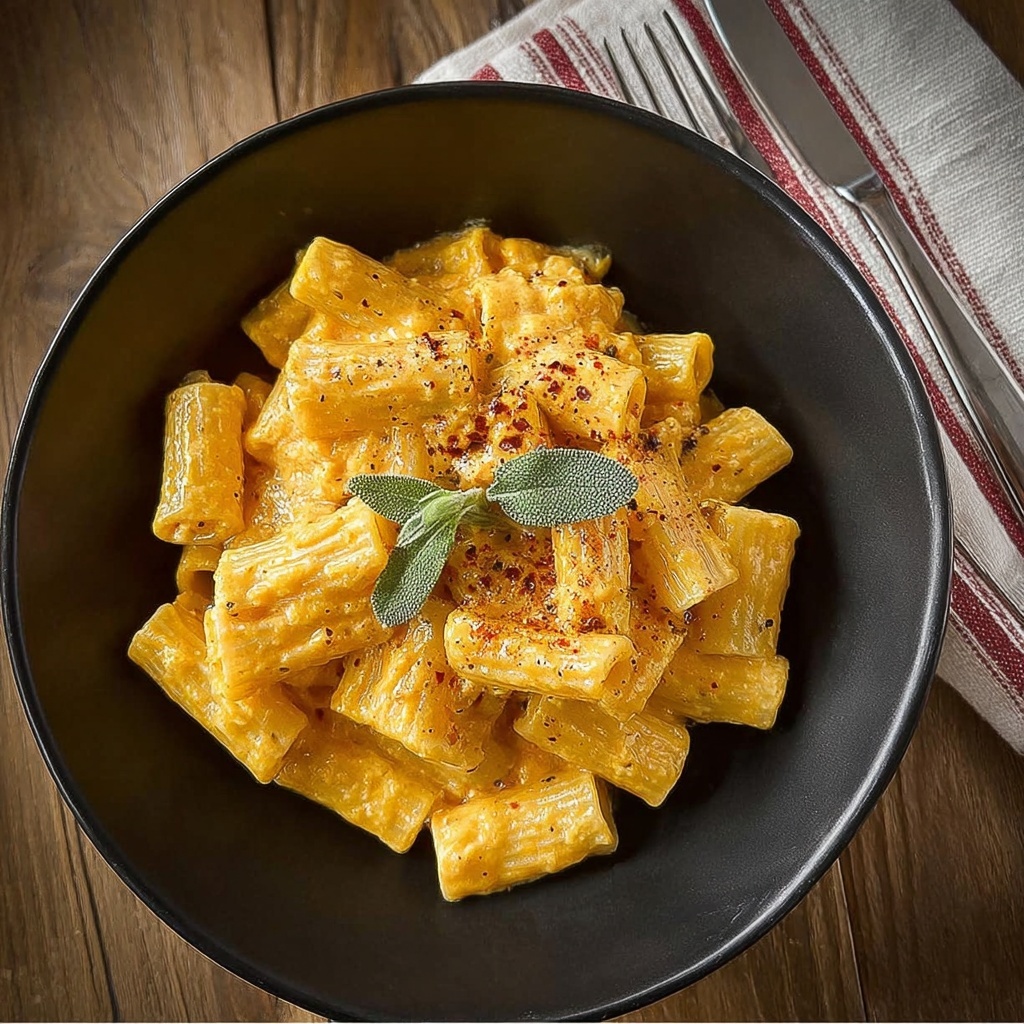
This Creamy Butternut Squash Pasta Recipe is pure comfort in a bowl, blending the natural sweetness of roasted butternut squash with a velvety, herb-infused sauce that clings perfectly to every strand of pasta. It’s a dish that feels indulgent yet wholesome, making it an ideal meal for chilly evenings or anytime you crave something cozy but elegant. What makes this recipe a true winner is how effortlessly it transforms simple ingredients into a luscious sauce that tastes like it simmered for hours, all thanks to the magic of roasting and blending fresh vegetables and herbs.
Ingredients You’ll Need
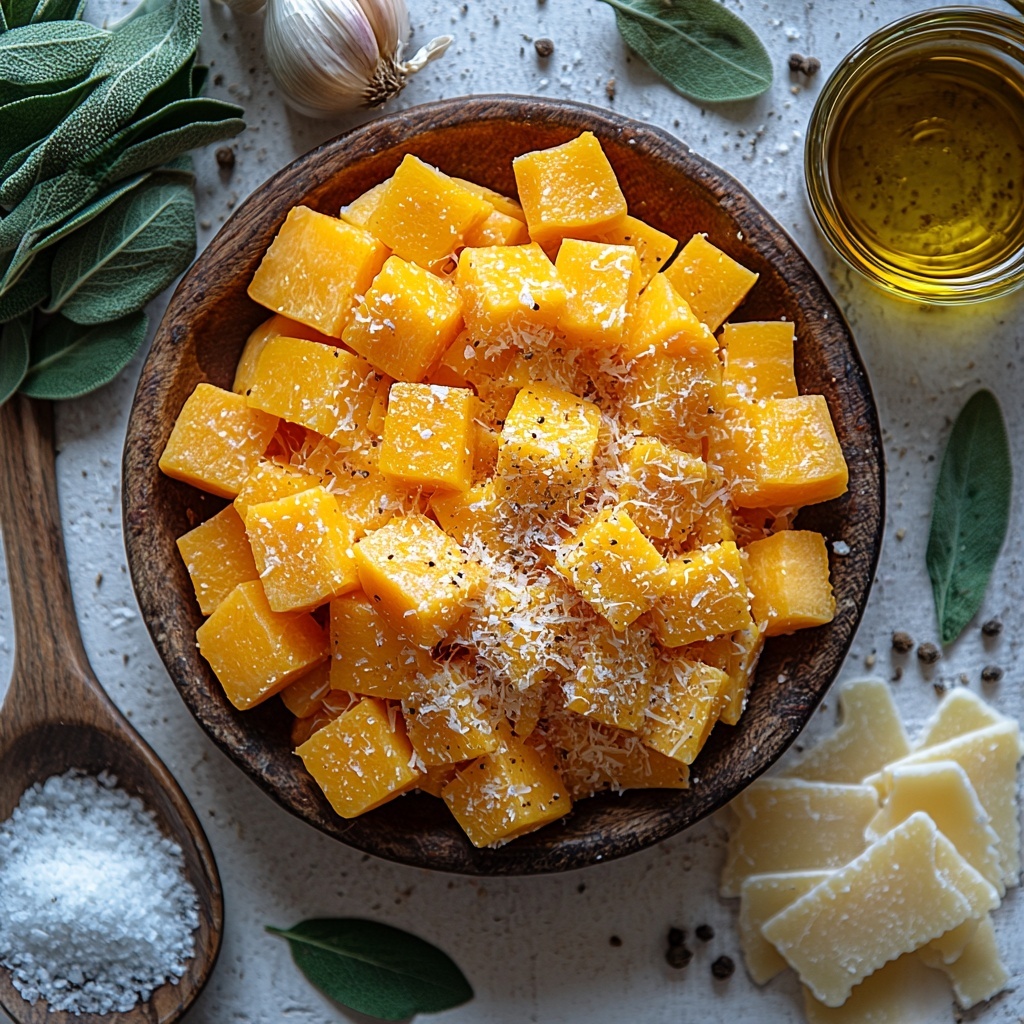
The beauty of this dish lies in its simplicity, where each ingredient plays a vital role in balancing flavor, texture, and color. From the deep orange butternut squash to aromatic sage, these components come together harmoniously to create a sauce that’s both vibrant and comforting.
- Butternut squash, 2 pounds peeled and cubed: Provides natural sweetness and a creamy base when roasted and blended.
- Medium yellow onion (2 cups chunks): Adds a subtle, savory depth that complements the squash.
- Vegetable oil, 1 tablespoon: Helps achieve a nicely caramelized roast without overpowering flavors.
- Dried sage, 1 teaspoon: Offers warm herbal notes that highlight the fall-inspired flavors.
- Freshly grated nutmeg, ¼ teaspoon: Adds a subtle spicy sweetness that elevates the sauce.
- Salt, 1 teaspoon: Essential for enhancing all the natural flavors.
- Freshly ground black pepper, ½ teaspoon: Brings mild heat and complexity.
- Garlic cloves, 2 unpeeled: Roasts to mellowed perfection, adding nuanced, sweet garlic undertones.
- Pasta, 1 pound: Choose your favorite shape—this recipe is flexible and tasty with many varieties.
- Fresh sage, ½ teaspoon: Added at the blending stage for freshness and brightness.
- Vegetable stock, 1 cup: Helps adjust sauce consistency and adds savory richness.
- Freshly grated Parmesan cheese: For finishing touch, imparting nutty, salty flavor.
How to Make Creamy Butternut Squash Pasta Recipe
Step 1: Prepare and Roast the Vegetables
Start by preheating your oven to 400°F (200°C). Spreading the butternut squash and onion chunks evenly on a baking sheet ensures each piece roasts up beautifully instead of steaming. Drizzle with vegetable oil, then sprinkle dried sage, nutmeg, salt, and pepper before tossing everything together. This spice blend forms the flavor backbone of your sauce. Roast for 20 minutes, then nestle in the garlic cloves and roast for another 10 minutes until the squash is tender and caramelized. Let the roasted veggies cool slightly to make blending easier and safer.
Step 2: Cook Your Pasta
While the veggies are roasting, bring a large pot of salted water to a boil and cook your choice of pasta according to the package instructions. Perfectly cooked pasta will hold onto the creamy sauce beautifully, so keep an eye on timing to avoid overcooking.
Step 3: Blend the Sauce
Peel the roasted garlic cloves and add them, along with the cooled butternut squash, onions, fresh sage, and vegetable stock, to a blender. Puree until the mixture reaches a smooth, sauce-like consistency. If you prefer a soup-like texture, simply add more vegetable stock in small increments. This step is where the magic happens, turning humble veggies into a silky, flavorful sauce that’s utterly satisfying.
Step 4: Combine Pasta and Sauce
Drain the pasta and immediately toss it with your creamy butternut squash sauce, ensuring every noodle is coated with that luscious flavor. A generous sprinkle of freshly grated Parmesan cheese right before serving adds a wonderful salty finish that perfectly complements the sauce’s natural sweetness.
How to Serve Creamy Butternut Squash Pasta Recipe
Garnishes
Freshly grated Parmesan is a no-brainer, adding savory depth that elevates the dish. For extra flair, sprinkle some toasted pine nuts or a handful of finely chopped fresh parsley or sage leaves. A drizzle of high-quality olive oil or a few crunchy breadcrumbs can also bring texture contrasts that delight with each bite.
Side Dishes
Pair this creamy dish with a crisp green salad dressed lightly with lemon vinaigrette to balance the richness. Garlic bread or crusty artisan bread is perfect for mopping up any extra sauce. For a heartier meal, roasted Brussels sprouts or sautéed kale make excellent companions that complement the autumnal flavors.
Creative Ways to Present
Serve this pasta in warm, shallow bowls and garnish with a fresh sage leaf floating on top for a rustic, inviting look. For entertaining, consider plating individual portions alongside small gratins or crispy prosciutto for a gourmet touch. You can also drizzle a bit of browned butter infused with sage over the top to intensify the herbal aroma and add a nutty richness.
Make Ahead and Storage
Storing Leftovers
This Creamy Butternut Squash Pasta Recipe can be stored in an airtight container in the refrigerator for up to 3 days. To keep the sauce from thickening too much, you might want to add a splash of vegetable broth or water when reheating.
Freezing
While fresh is best, you can freeze the sauce separately in a freezer-safe container for up to 2 months. Avoid freezing the pasta itself, as it tends to become mushy upon thawing. When ready, thaw the sauce overnight in the fridge and reheat gently on the stove, then toss with freshly cooked pasta.
Reheating
Reheat leftovers over low to medium heat on the stovetop, stirring frequently to prevent sticking and to bring back that creamy texture. If the sauce feels too thick, stir in a bit more vegetable stock until it regains its luscious smoothness.
FAQs
Can I use a different type of squash for this recipe?
Absolutely! While butternut squash gives the signature sweetness and creaminess, you can substitute with kabocha or even pumpkin for different but equally delicious flavors.
Is this Creamy Butternut Squash Pasta Recipe vegan?
As written, it uses Parmesan cheese, which is not vegan. However, you can easily substitute with a vegan Parmesan-style cheese or nutritional yeast to keep it plant-based and still flavorful.
What pasta shapes work best here?
This recipe pairs well with wide noodles like pappardelle or fettuccine since the sauce is thick and clings well, but classic spaghetti or penne also work beautifully depending on your preference.
Can I make this recipe gluten-free?
Yes, just swap regular pasta for your favorite gluten-free varieties. The creamy butternut squash sauce remains just as delicious across different pasta bases.
How can I make the sauce thinner if it’s too thick?
Simply add a little extra vegetable stock or reserved pasta cooking water while blending or reheating until you achieve your desired consistency. A thinner sauce can also be served as a comforting soup.
Final Thoughts
Trying the Creamy Butternut Squash Pasta Recipe is like inviting warmth and coziness to your dinner table in the most delicious way possible. It’s an easy, elegant recipe that turns everyday ingredients into a soul-satisfying meal. Whether you’re cooking for family or impressing friends, this dish is sure to become one of your favorites, bringing smiles with every bite.
Print
Creamy Butternut Squash Pasta Recipe
- Prep Time: 5 minutes
- Cook Time: 25 minutes
- Total Time: 30 minutes
- Yield: 4 servings
- Category: Main Course
- Method: Baking
- Cuisine: American
- Diet: Vegetarian
Description
This creamy butternut squash pasta recipe is a delightful and comforting dish featuring roasted butternut squash blended into a smooth, flavorful sauce. Roasting the squash and onion enhances their natural sweetness, while a hint of sage and nutmeg adds warmth and depth. The sauce is combined with perfectly cooked pasta and topped with freshly grated Parmesan cheese for a rich, satisfying meal perfect for any season.
Ingredients
Roasted Vegetables
- 1 whole butternut squash (2 pounds / 566 grams), peeled and cut into cubes
- 1 medium yellow onion (2 cups / 293 grams), cut into large chunks
- 1 tablespoon vegetable oil
- 1 teaspoon dried sage
- ¼ teaspoon freshly grated nutmeg
- 1 teaspoon salt
- ½ teaspoon freshly ground black pepper
- 2 garlic cloves, unpeeled
Pasta and Sauce
- 1 pound (453 grams) pasta
- ½ teaspoon fresh sage
- 1 cup (236 ml) vegetable stock
- Freshly grated Parmesan cheese, for garnish
Instructions
- Preheat Oven: Preheat your oven to 400°F (200°C) to prepare for roasting the vegetables evenly and to bring out their natural sweetness.
- Prepare Vegetables: Spread the cubed butternut squash and onion chunks in an even layer on a large baking sheet. Drizzle with vegetable oil and sprinkle dried sage, nutmeg, salt, and black pepper over them. Toss the vegetables with your hands to coat them thoroughly, ensuring they are in a single layer to roast properly without steaming.
- Roast Vegetables: Roast the vegetables for 20 minutes, then add the unpeeled garlic cloves to the pan. Continue roasting for an additional 10 minutes or until the butternut squash is tender when pierced with a fork. Remove the pan from the oven and let the vegetables cool for 5 minutes in the pan.
- Cook Pasta: While the vegetables are roasting and cooling, bring a large pot of salted water to a boil. Cook the pasta according to the package instructions until al dente, then drain well.
- Make Sauce: Peel the roasted garlic cloves and add them along with the roasted vegetables, fresh sage, and vegetable stock to a blender. Blend until the mixture reaches a smooth, sauce-like consistency. For a soup-like texture, gradually add more vegetable stock and blend to achieve the desired thinness.
- Combine and Serve: Toss the drained pasta immediately with the warm butternut squash sauce. Garnish generously with freshly grated Parmesan cheese before serving to add a creamy, savory finish.
Notes
- Ensure the butternut squash and onions are spread out in a single layer on the baking sheet to allow proper roasting rather than steaming.
- Adjust the amount of vegetable stock in the sauce to control the thickness according to your preference.
- Use freshly grated Parmesan cheese for best flavor and texture.
- This sauce can also be used as a base for soups by adding more vegetable stock.
- For a nut-free version, make sure the Parmesan cheese is suitable for your dietary needs or substitute with a vegan cheese alternative.