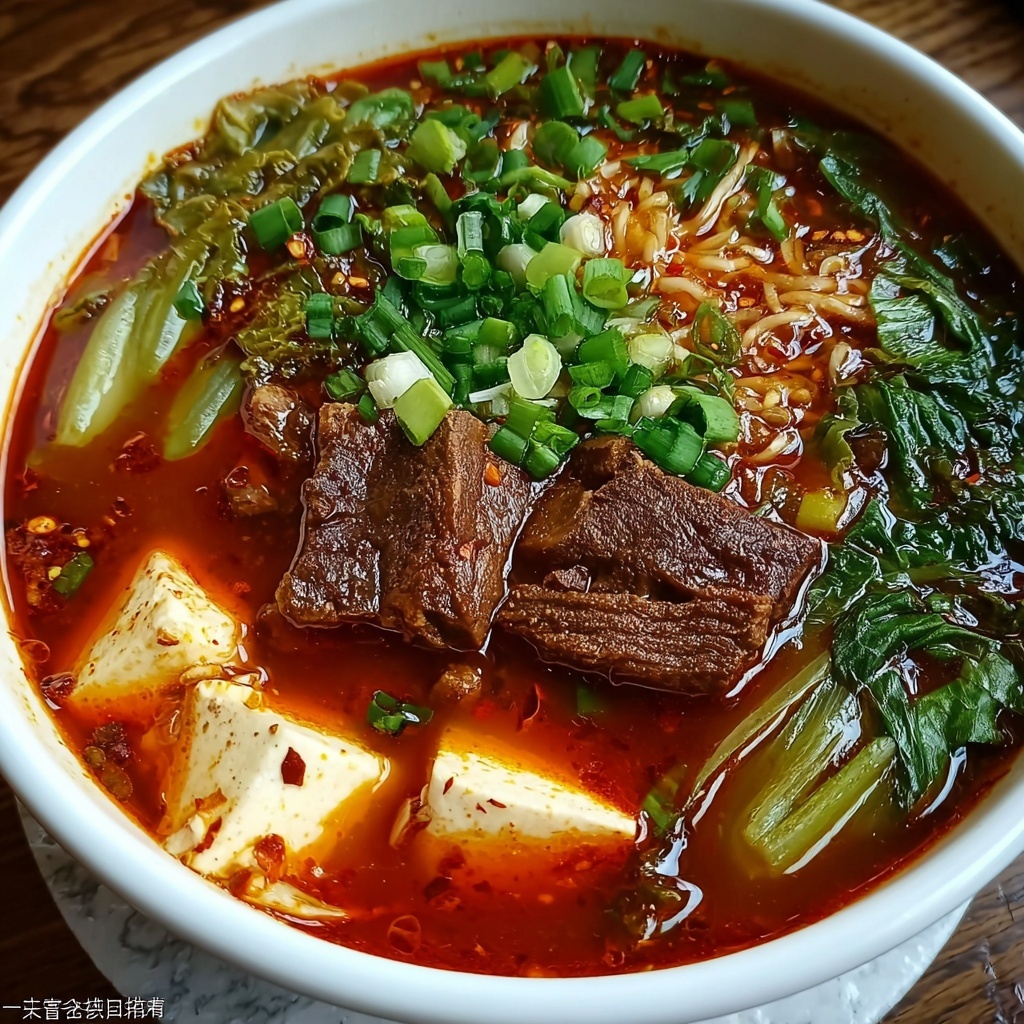
If you’re searching for a comforting bowl of warmth that feels like a cozy hug on a chilly evening, then this Korean Winter Soup Recipe is the answer you’ve been waiting for. Imagine tender beef brisket swimming in a vibrant, spicy-sweet broth, enriched with hearty napa cabbage, silky tofu, and crisp daikon radish — every spoonful brims with layers of flavor and textures that celebrate the best of winter’s bounty. This is not just soup; it’s an invitation to slow down, share stories, and savor moments that make winter truly special.
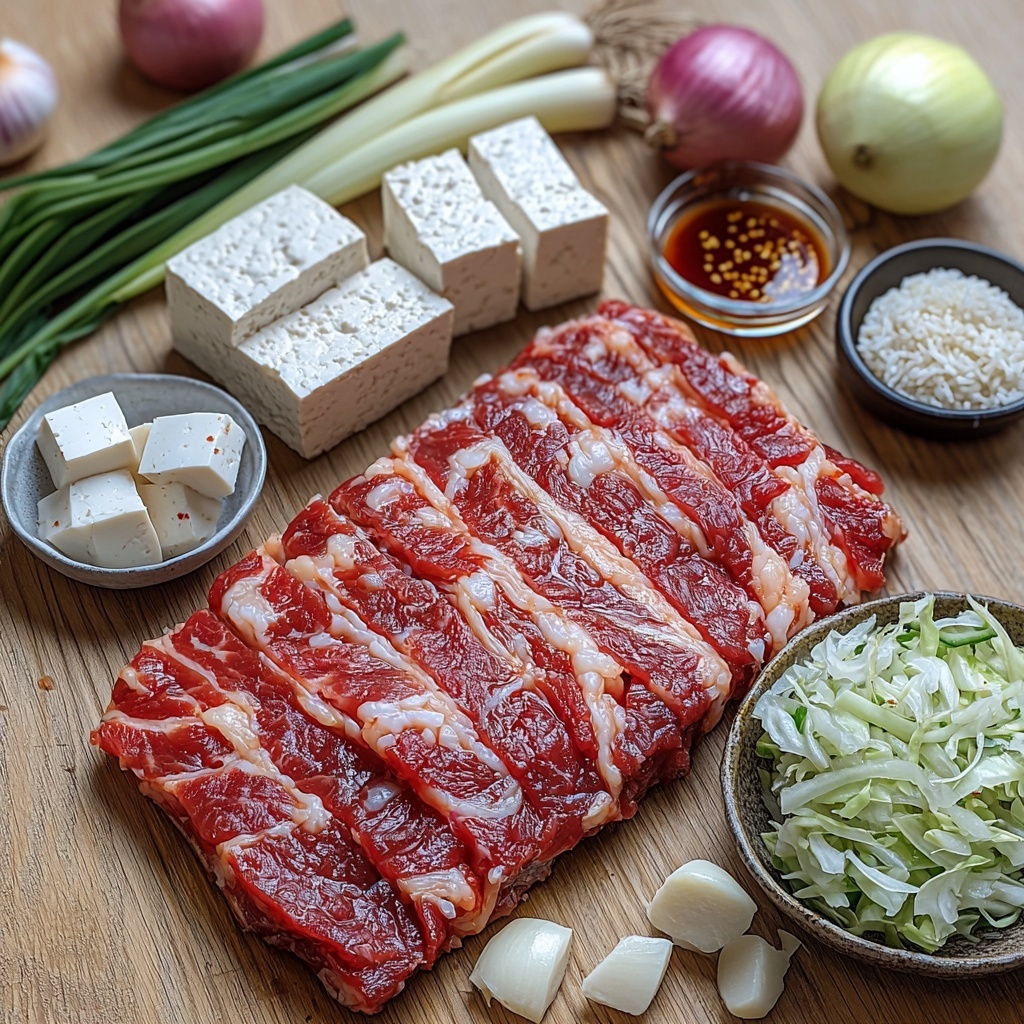
Ingredients You’ll Need
The beauty of this Korean Winter Soup Recipe lies in its simplicity and the way each ingredient plays a pivotal role. From the rich, melt-in-your-mouth beef brisket to the fiery and fragrant Korean red pepper paste and powder, every component brings balance and depth. This modest list will create a bowl bursting with flavor and warmth, perfect for cold days when you want something hearty but nourishing.
- 1 lb Beef Brisket: The star of the soup, it provides rich, savory meatiness that melts delightfully after simmering.
- 8 cups Water: Essential for the broth base, offering a clean canvas for the flavors to develop.
- 1 tbsp Soy Sauce: Adds umami depth and saltiness, enriching the broth character.
- 1 tbsp Korean Red Pepper Paste (Gochujang): Delivers a spicy-sweet kick, awakening the soup with complex heat.
- 1 tbsp Korean Red Pepper Powder (Gochugaru): Provides smoky, fruity heat with a gentle lingering spice.
- 4 cloves Garlic (minced): A fragrant base ingredient that enhances the savory profile.
- 1 medium Onion (chopped): Adds sweetness and body as it simmers into the broth.
- 2 cups Napa Cabbage (chopped): Offers tender crunch and freshness, balancing the richness.
- 1 block Firm Tofu (cubed): Soft, creamy texture that soaks up flavors beautifully.
- 1 medium Daikon Radish (sliced): Brings subtle sweetness and a crisp bite to the soup.
- 1 tbsp Sesame Oil: Used for sautéing scallions; adds nutty warmth and aroma.
- 3 Scallions (sliced): Fresh, bright garnish sautéed to deepen their flavor.
- Salt and Pepper (to taste): To perfectly round out the seasoning.
- 2 cups White Rice (cooked): Perfect side to sop up the vibrant broth.
How to Make Korean Winter Soup Recipe
Step 1: Preparing the Broth Base
Start by placing the beef brisket in a large pot and covering it with water. Bring it to a boil to release those rich meaty flavors, then reduce to a simmer, keeping the lid slightly ajar. Simmering for about 30 minutes allows the brisket to gently tenderize and infuses the broth with its savory goodness.
Step 2: Skimming for Clarity
As the brisket simmers, foam and impurities rise to the surface. Skim these off diligently to get a clear and pristine broth — clarity here means a clean tasting soup, which is essential for the delicate balance of this Korean Winter Soup Recipe.
Step 3: Adding the Flavor Punch
Next, stir in the soy sauce, gochujang, gochugaru, and minced garlic. This trio of Korean red pepper paste and powder creates the signature spicy-sweet heat that awakens the broth, while the soy sauce provides depth and balance. Let it simmer for another 5 minutes to marry the spices with the beef essence.
Step 4: Introducing Vegetables and Tofu
Add the chopped onion, napa cabbage, cubed tofu, and sliced daikon radish into the pot. Gently stir everything together and allow it to simmer for 20 minutes. During this time, the vegetables soften but retain their texture, and tofu absorbs the spicy broth flavors, adding creaminess to each bite.
Step 5: Enhancing with Sautéed Scallions
Heat sesame oil in a small pan and sauté the sliced green onions for a couple of minutes. This step amplifies their natural sweetness and imparts a toasty aroma. Add these to the soup, giving it a final flavorful boost.
Step 6: Seasoning and Serving
Finally, season with salt and pepper to your liking. The seasoning ties all elements together, ensuring the broth sings with every spoonful. Ladle into bowls and serve hot alongside fluffy white rice, inviting everyone to dive into this winter comfort feast.
How to Serve Korean Winter Soup Recipe
Garnishes
Fresh scallions or finely chopped cilantro make wonderful garnishes, adding brightness and a pop of color. A sprinkle of toasted sesame seeds or a drizzle of extra sesame oil can also elevate the aroma and flavor, giving each bowl an inviting finish.
Side Dishes
This Korean Winter Soup Recipe pairs beautifully with steamed white rice, which soaks up the flavorful broth perfectly. Consider also serving it with kimchi for a tangy, fermented contrast, or simple steamed vegetables to keep the meal light yet satisfying.
Creative Ways to Present
For a fun twist, serve the soup in individual stone bowls to keep it piping hot longer. You can also offer a small ramekin of gochujang on the side, so guests can adjust the spice intensity to their preference—making the meal interactive and personalized.
Make Ahead and Storage
Storing Leftovers
This soup keeps wonderfully in the refrigerator for up to 3 days. Store it in an airtight container to maintain freshness and flavors. The broth will thicken slightly as it cools, but a quick reheat will restore its comforting warmth.
Freezing
You can freeze leftover Korean Winter Soup Recipe without any problem. Use a freezer-safe container, leaving some room for expansion. When thawed, the flavors will remain rich, though tofu may lose some firmness, which you can easily fix by stirring gently after reheating.
Reheating
Reheat the soup gently on the stove over medium heat until steaming hot. Stir occasionally to recombine any separated ingredients. Avoid microwaving too aggressively to maintain the tender textures, especially of the beef and tofu.
FAQs
Can I use a different cut of beef for this soup?
Absolutely! While beef brisket is traditional for its tenderness and flavor, you can substitute chuck roast or even short ribs. Just adjust simmering times accordingly to ensure the meat becomes tender.
Is this soup very spicy?
The level of spice is adjustable depending on how much gochujang and gochugaru you use. This recipe delivers a pleasant, warming heat that complements the broth, but you can reduce or omit the chili paste for a milder version.
Can I make this soup vegetarian?
Yes, you can create a vegetarian version by skipping the beef and using vegetable broth instead. Boost flavor with extra garlic and chili paste, and add mushrooms for a satisfying umami touch.
What is the role of daikon radish in the soup?
Daikon radish adds a subtle sweetness and a slightly crunchy texture that balances the spicy and savory elements, making every spoonful feel fresh and layered.
Why do I need to skim the broth?
Skimming removes impurities and excess fat, resulting in a clearer, cleaner-tasting broth, which helps highlight the delicate flavors of this Korean Winter Soup Recipe.
Final Thoughts
This Korean Winter Soup Recipe is much more than a meal — it’s a celebration of cozy moments and bold, soulful flavors that comfort you from the inside out. Whether it’s the first snowfall or a quiet night in, this soup invites you to gather around, savor deeply, and share in its hearty magic. Give it a try and embrace the delicious warmth of winter in every bowl!
Print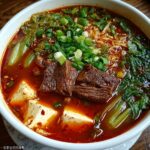
Korean Winter Soup Recipe
- Prep Time: 15 minutes
- Cook Time: 45 minutes
- Total Time: 1 hour
- Yield: 4 servings
- Category: Soup
- Method: Stovetop
- Cuisine: Korean
Description
This Korean Winter Soup is a hearty and comforting dish perfect for chilly days. Made with tender beef brisket simmered in a flavorful broth enriched with Korean red pepper paste and powder, garlic, and vegetables like napa cabbage, daikon radish, and tofu, it offers a warming, spicy-sweet kick. Served with steamed white rice, this soup brings both nutrition and soul-soothing warmth in every bite.
Ingredients
Soup Ingredients
- 1 lb Beef Brisket (can substitute with chuck roast for a different texture)
- 8 cups Water
- 1 tbsp Soy Sauce
- 1 tbsp Korean Red Pepper Paste (Gochujang)
- 1 tbsp Korean Red Pepper Powder (Gochugaru)
- 4 cloves Garlic (minced)
- 1 medium Onion (chopped)
- 2 cups Napa Cabbage (chopped)
- 1 medium Daikon Radish (sliced)
- 1 block Firm Tofu (cubed)
- 1 tbsp Sesame Oil (for sautéing)
- 3 scallions (Green Onions, sliced)
- Salt (to taste)
- Pepper (to taste)
For Serving
- 2 cups White Rice (cooked)
Instructions
- Simmer the Beef Brisket: Combine the beef brisket with enough water to cover it in a large pot. Bring to a boil, then reduce heat to a simmer and cook for 30 minutes with the lid slightly ajar.
- Skim Off Impurities: Skim off any foam or impurities that rise to the surface to achieve a clear broth, ensuring a clean and rich flavor base.
- Add Flavorings: Stir in soy sauce, Korean red pepper paste (gochujang), Korean red pepper powder (gochugaru), and minced garlic into the broth. Simmer for an additional 5 minutes to infuse the flavors.
- Add Vegetables and Tofu: Add the chopped onion, napa cabbage, cubed firm tofu, and sliced daikon radish to the pot. Stir gently and let the soup simmer for 20 minutes to tenderize the vegetables and meld the flavors.
- Sauté the Scallions: Heat sesame oil in a small pan over medium heat, then add sliced green onions and sauté for 2-3 minutes until fragrant. Add the sautéed scallions into the soup pot.
- Season Soup: Season the soup with salt and pepper to taste, adjusting carefully to balance the spicy and savory flavors.
- Serve: Ladle the hot soup into bowls and serve immediately alongside steamed white rice for a complete, satisfying meal.
Notes
- Substitute beef brisket with chuck roast for a chewier texture if preferred.
- Adjust the amount of gochujang and gochugaru depending on your spice tolerance.
- For a richer broth, you can add beef bone or stock instead of plain water.
- To make it gluten-free, use gluten-free soy sauce or tamari.
- Leftover soup can be refrigerated for up to 3 days and reheated gently on the stovetop.